Batteries you plug in, compliant with Swiss law · declaration of conformity supplied
Compatibility and connection

Compatible with your system, whatever it is

It is the question we are asked most often, and the answer fits in one sentence: an AC-coupled battery does not talk to your inverter. It sits behind the meter, watches what comes into the house and what goes out, and reacts. The make of your panels, the age of your inverter, the name of your installer: none of it comes into play.

Yes

You already have panels

Any make, any age, string inverter or microinverters. The battery has nothing to negotiate with them. It simply sees the house exporting current, and keeps it.

Yes

You have no panels at all

The battery still works. It fills up during cheap hours and gives back during peak hours. The gain is smaller than with solar and depends on your tariff, so we do not put a figure on it in the calculator, which assumes a solar system.

To check

Your meter

This is the one point that changes from home to home. The battery needs to read what the house is using. Depending on what your meter exposes, that takes no tools at all or calls for an electrician. What that means.

Two ways to connect

The first covers the great majority of cases and needs nobody. The second belongs to the installer, and goes further.

1
Main method

On a socket, AC coupling

The battery plugs into a Swiss socket. A sensor tells it what the house is using, and it adjusts to the watt.

  1. The battery plugs into an ordinary Swiss socket. No wiring, no board opened.
  2. The sensor sits on the meter and takes its data. Over the P1 port where there is one, by infrared reading otherwise.
  3. Pairing happens on a smartphone over Bluetooth, then the battery joins the household Wi-Fi.
Who
You, with no electrician
Time
About ten minutes
Output power
600 W, the ceiling of the plug & play regime
Solar system
Works with any existing solar system, and with no solar system at all

Models concerned: Venus E 3.0, Venus E 4.0, Venus E Max, Venus E Mini

2
Advanced method

Panels wired directly, MPPT inputs

The panels are wired to the unit’s inputs. Solar current reaches the cells without a conversion to alternating current, so that much less is lost.

  1. The panels are wired to the unit’s MPPT inputs, with no inverter in between.
  2. Efficiency gains from it: one conversion fewer between panel and cell. The gain is real, since every conversion costs a few points of efficiency, but we will not put a figure on it until we have measured it ourselves on these units.
  3. The cap can be lifted by the electrician who wires the unit permanently, with notification to the grid operator and a safety report.
Who
You for a balcony, an electrician for a roof
Time
Half a day for a roof
Output power
Up to the unit’s rated power, once a professional has unlocked it
Solar system
Assumes panels dedicated to the battery, not a system already wired to an inverter

Models concerned: Venus A, Venus D
One clarification that avoids a misunderstanding. On a balcony, wiring the panels straight to a Venus A or a Venus D needs no electrician: that is how these units normally work. What needs a professional is the permanent connection to the consumer unit, and it is that, not the panel wiring, which allows the 600 W cap to be lifted. What lifting the cap changes.

And beyond: the hybrid inverter

Solar, storage, backup and control in a single unit, wired to the consumer unit. This is the fixed electrical installation regime. It replaces or supplements the existing inverter, and the study is part of the job. At that point you leave plug & play: this is a fixed electrical installation, fitted by a licensed electrician. Applies to Venus G — contrôleur monophasé 5 kW, Venus G — contrôleur triphasé 10 kW, Mars I Plus SP. See residential systems.

The meter: the only real question

A battery that does not know what the house is using works blind. With measurement, it adjusts to the watt. Two sensors, depending on what your meter is willing to show.

Common case

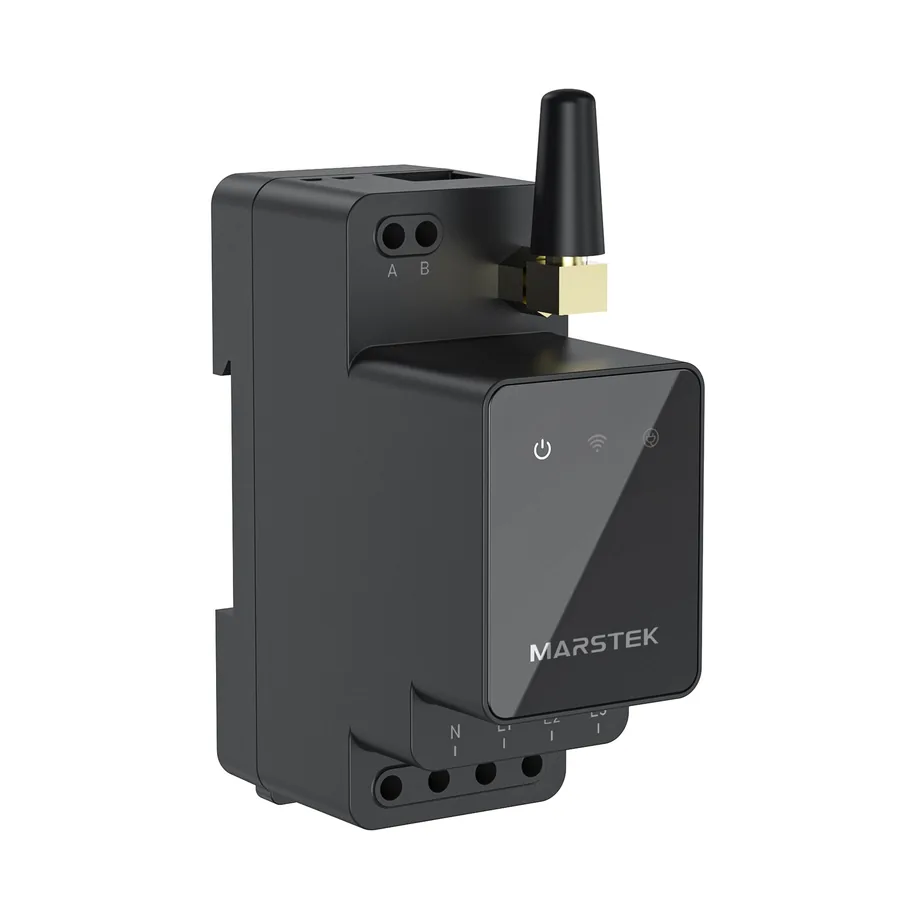
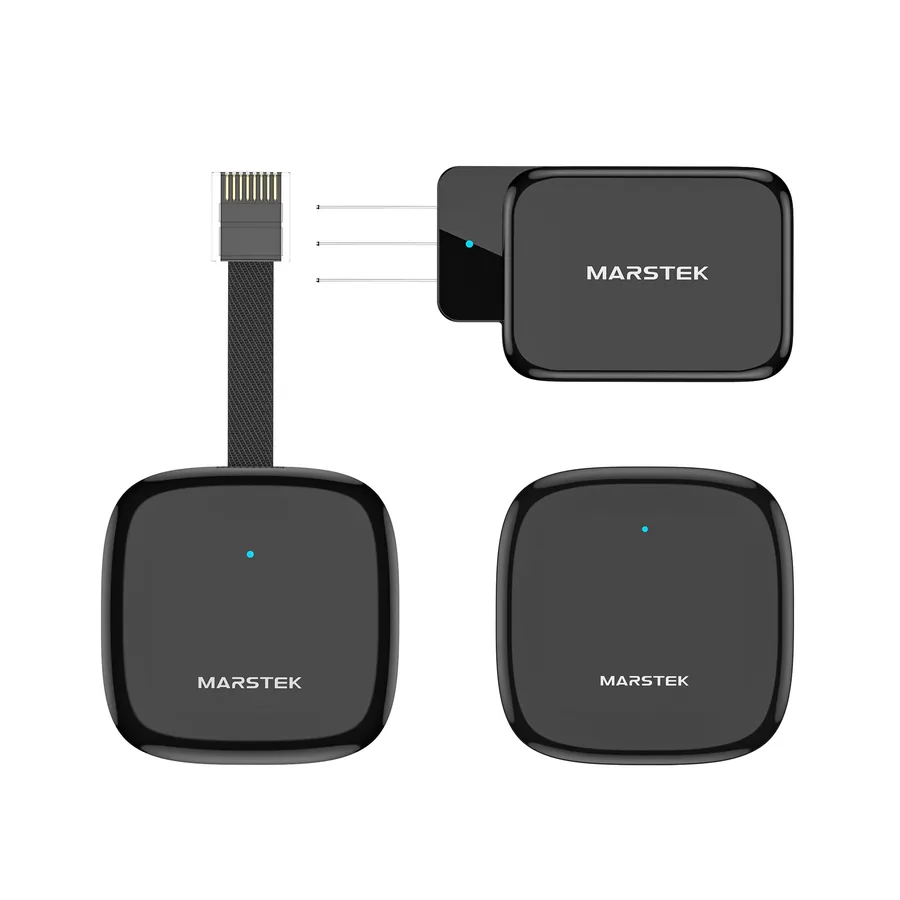
Smart Meter CT003

Your meter has an accessible P1 port

The unit plugs into the meter’s P1 port and reads the official values in real time. Where there is no P1 port, it can also read the meter’s infrared diode: fitting is magnetic, with no tools.

Fitting: You, with no electrician

Smart Meter CT002

Your meter exposes nothing, or the P1 port is locked by the grid operator

Current clamps fitted in the distribution board measure the current on each phase. This method works everywhere, three-phase included.

Fitting: Licensed electrician, because the work happens inside the board

The Swiss meter estate is uneven: which model is fitted, which protocol is enabled and whether the P1 port is open depend on your grid operator, sometimes on your municipality. We check your meter’s compatibility before dispatch, and we do not ship a battery that could not read yours. The three reading methods in detail.

Setup and control

A smartphone is enough. No computer, no software to install on a PC, no subscription.

Wireless
Wi-Fi 2,4 GHz · Bluetooth 5.2
App
Marstek app, iOS and Android
  1. Plug in the battery and the sensor.
  2. Open the app and pair the two devices over Bluetooth.
  3. Give them your Wi-Fi network: monitoring then works remotely.
  4. Choose the operating mode: self-consumption, time windows, or manual.

Bluetooth handles pairing and works even without a network. Wi-Fi handles remote monitoring and updates. A battery with no Wi-Fi keeps working: you then control it over Bluetooth, within range.

Your home, in six questions

The test says how things stand, including when the answer is "this needs a study". Six questions about your situation, none about who you are.

Swiss compatibility test Six questions, under a minute
1 / 6
No data is stored unless you submit a form.

What the test looks at

Your canton, because we deliver to all of Switzerland. Your occupancy status, because a tenant has less room for manoeuvre. And whether there is a socket, which decides the applicable regime.

What it cannot know

Whether your meter will expose its data to the battery. We check that model by model before dispatch, and it is the one point the test cannot settle from a browser.

What it does with it

Nothing, as long as you do not submit a form. Your answers stay in your browser; if you then sign up for an alert, they are attached so that we can prepare the right equipment.

Compare models · Estimate my savings · You are an installer